FTC Disclosure: LimeCrema is reader-supported. When you buy through links on our site, we may earn an affiliate commission at no extra cost to you. Learn more.
Prices shown are pulled from the Amazon API and were last checked on 01.11.2026. Amazon prices and availability change constantly – the price on Amazon at the time of purchase is the one that applies.
No home espresso machine is entirely free of plastic. On anything under $2,000 you will find it in the water tank, the drip tray, the group cover, the steam knob or the tubing. The useful question is narrower: does plastic sit in the path the water and coffee travel?
That path runs from tank to pump to boiler to group to portafilter to cup. Machines that keep it metal – brass, stainless steel, aluminium – are the ones this guide is about. Some of them are lever machines with no plastic anywhere near the brew. Others are traditional semi-automatics with a steel portafilter and a brass group, where the only plastic is the tank you fill. Both are honest answers to a plastic-free brief; they are just different machines.
As always: we did not run lab tests and we make no claim about how many particles any machine sheds. What follows is a materials audit from manufacturer listings, plus aggregated verified owner data from Amazon.com in October 2026.
| Machine | Best for | Price band | Link |
|---|---|---|---|
| Flair 49 PRO | Zero plastic in the brew path | $$ | View on Amazon |
| Gaggia Classic Evo Pro | Metal brew path, real steaming | $$ | View on Amazon |
| Rancilio Silvia | Build quality per dollar | $$ | View on Amazon |
| Rancilio Silvia Pro X | Dual boiler, no compromise | $$$ | View on Amazon |
| Flair Classic | Cheapest true lever | $ | View on Amazon |
| Wacaco Picopresso | Plastic-free on the road | $$ | View on Amazon |
Where the plastic actually is
Knowing the anatomy makes the shopping decision much easier. On a typical semi-automatic machine, plastic appears in five places:
- The water tank. Almost always plastic. It holds cold water, not hot – which is why many buyers accept it.
- Tubing. Short runs from tank to pump, usually silicone or food-grade plastic.
- The group and portafilter. The part that matters most. Commercial-style machines use brass groups and stainless portafilters; budget machines use aluminium groups with plastic internals.
- The steam wand and knobs. Often plastic-covered on budget models, metal on prosumer ones.
- The housing and drip tray. Cosmetic. It never touches your coffee.
A lever machine removes most of this list at once, because there is no pump, no tank and no solenoid – you pour hot water into a metal cylinder and press.
Three honest tiers of “plastic-free”
Tier 1 – no plastic in the brew path. Manual levers like the Flair. Water goes from your kettle into a metal cylinder, through a metal basket, into a cup. Nothing else is in the way.
Tier 2 – metal brew path, plastic tank. The Gaggia Classic and Rancilio Silvia. Brass group, steel portafilter, steel housing; the tank is plastic but holds cold water. This is where most people land, because it is the only way to get steaming and back-to-back shots without spending four figures.
Tier 3 – metal looks, plastic internals. Pressurised baskets, plastic group liners, plastic thermoblocks. Common under $300. Not on this list.
Lever vs semi-automatic: the honest trade
A lever machine gives you silence, portability, repairability and a brew path you can inspect. It also gives you one shot at a time, no steam wand, and a slower workflow. If you drink espresso or Americanos, that is a fine trade. Two lattes a day is a different answer: a semi-automatic gives you steam and a 58mm basket, in exchange for a plastic tank and a longer warm-up.
The 6 best plastic-free espresso machines
Flair 49 PRO Manual Lever Espresso Maker
Best Plastic-Free Brew Path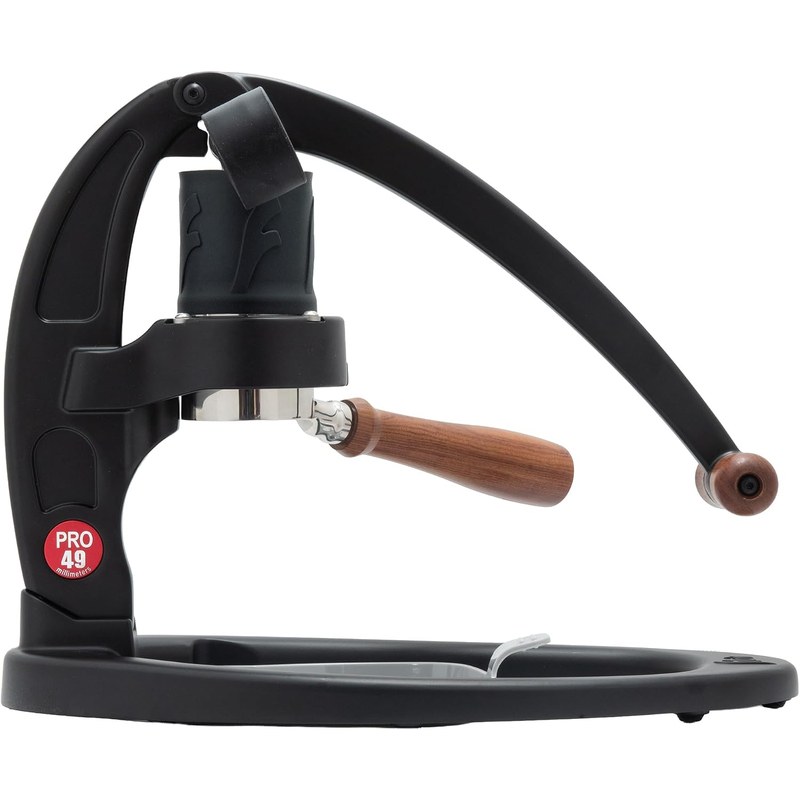
★ 4.2/5 from 430 verified Amazon reviews. The 49 PRO is Flair's statement machine: a 49mm lever press sold explicitly as having no plastics in the brew path, with a handled portafilter, an integrated pressure gauge and a metal brew cylinder. You grind fine, dose, pour water from a kettle, and pull the lever – the shot is entirely in your hands, and the gauge is what turns that from guesswork into repeatable espresso. Owners rate it highly for build and shot quality; complaints are the manual workflow and no steaming.
View on Amazon →Gaggia Classic Evo Pro Espresso Machine
Best Metal Brew Path With Steam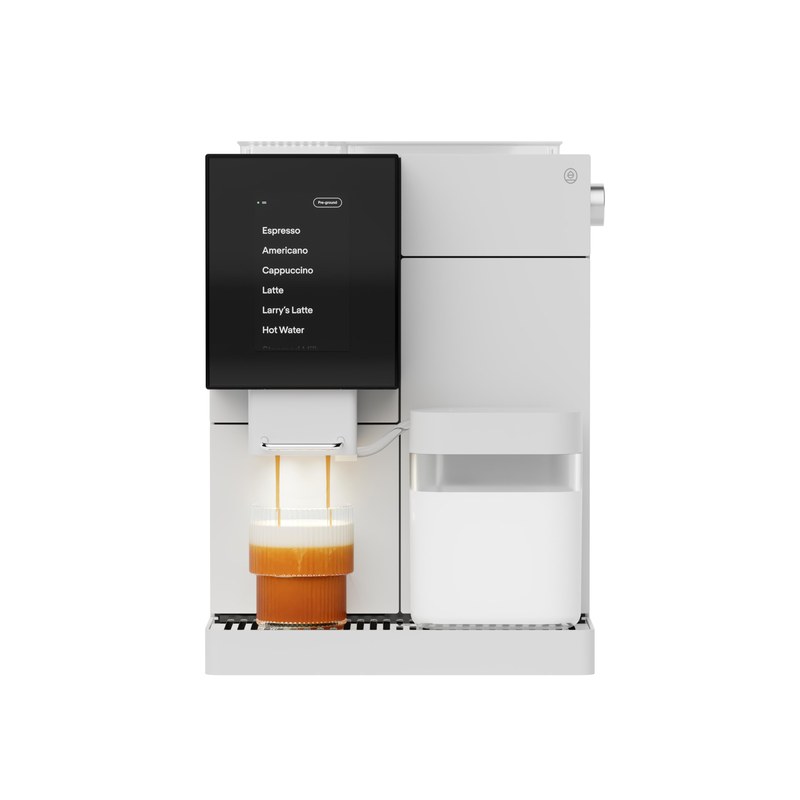
- Price
- $529.99
★ 4.3/5 from 3,210 verified Amazon reviews. The Evo Pro is the machine this category is built around: solid steel housing made in Italy, a 58mm commercial stainless portafilter, a metal group and a three-way solenoid valve – the same architecture as machines costing twice as much. The water tank is plastic, and that is the compromise; everything downstream of it is metal. It is also the most modified machine in espresso, and 3,000+ owners at 4.3 stars is about as strong a signal as this hobby offers.
View on Amazon →Rancilio Silvia Espresso Machine
Best Build Quality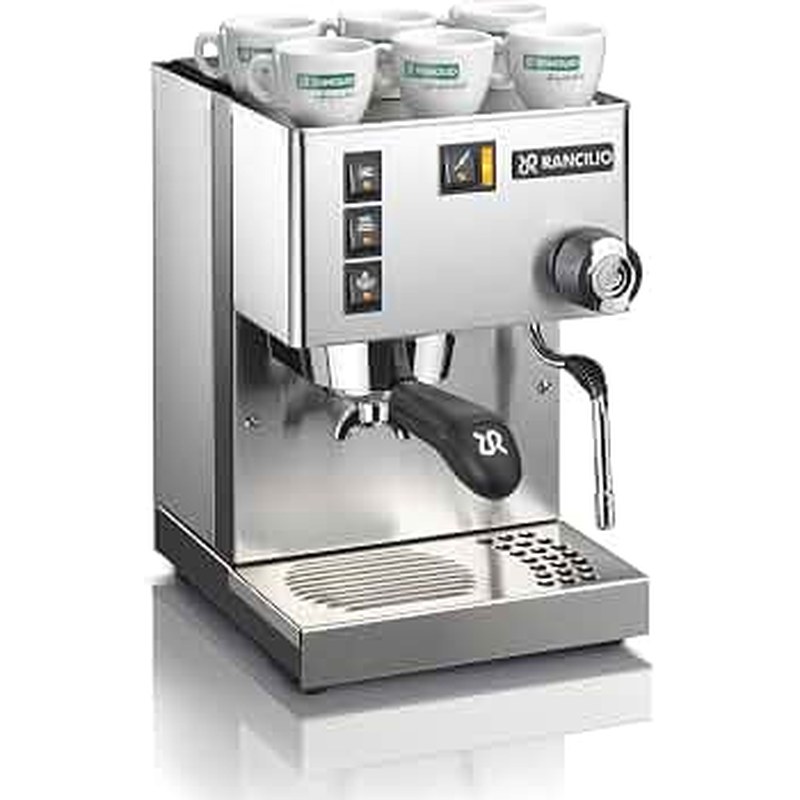
- Price
- $995.00
★ 4.3/5 from 567 verified Amazon reviews. The Silvia has been the reference single-boiler machine for two decades: iron frame, stainless panels, a hefty brass group and a commercial steam wand that textures milk properly once you learn it. Nothing about it feels disposable. The trade-offs are real – no PID on the base model, a long warm-up, a temperature swing that rewards routine – but if you want a machine you can repair yourself for fifteen years, this is it.
View on Amazon →Rancilio Silvia Pro X Dual Boiler
Best No-Compromise Pick- Price
- $995.00
★ 4.2/5 from 116 verified Amazon reviews. The Pro X is the Silvia grown up: two boilers so you can brew and steam at the same time, PID temperature control, a stainless body and the same brass group. It is the machine to buy if espresso is a long-term hobby and you would rather skip the upgrade cycle. The review base is small because the price is high, so weigh the spec sheet over the star average.
View on Amazon →Flair Classic Manual Lever Espresso Maker
Best Value Lever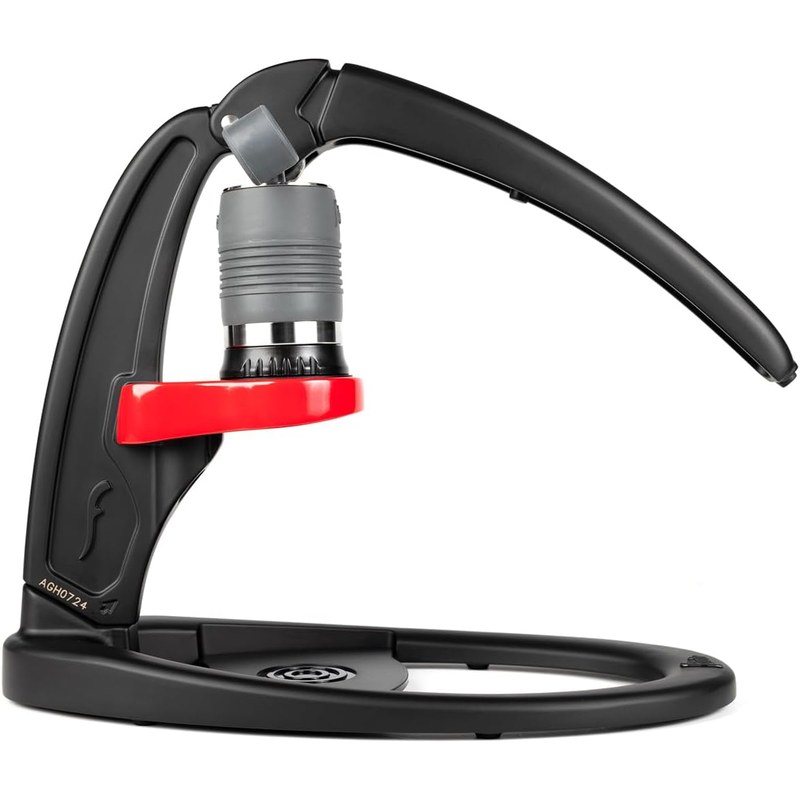
- Price
- $159.00
★ 4.0/5 from 528 verified Amazon reviews. The Classic is the machine that proved a lever press could be a daily driver: no electronics, no pump, a metal brew cylinder and two portafilters in the box. It costs a fraction of a semi-automatic and produces a shot that embarrasses machines at three times the price – provided you grind well and learn the lever. Owners love the footprint and the silence; complaints are the small dose ceiling and no milk steaming.
View on Amazon →WACACO Picopresso Portable Espresso Maker
Best for Travel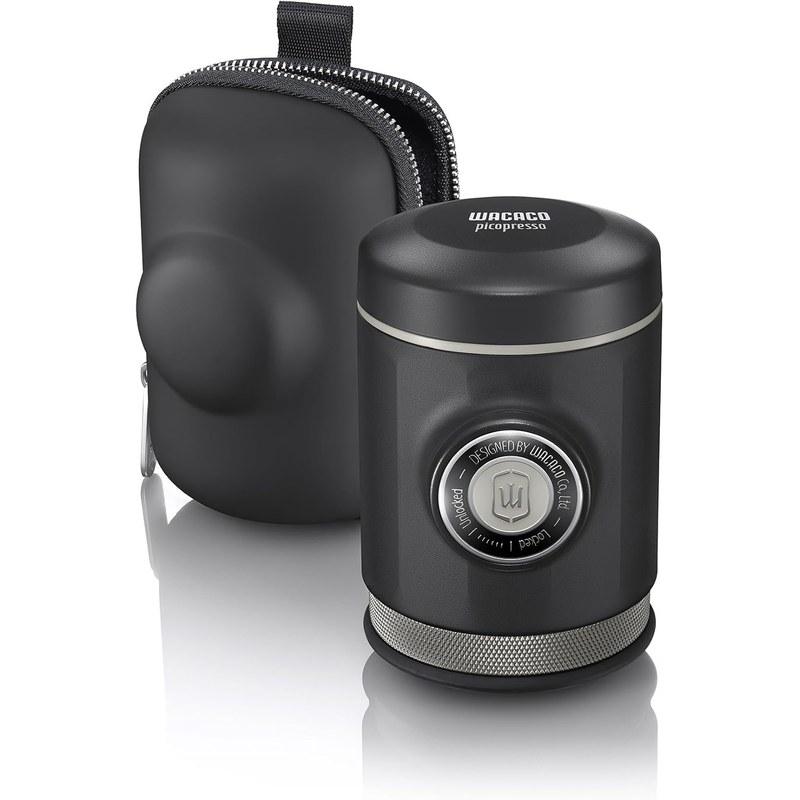
- Price
- $129.90
★ 4.5/5 from 1,432 verified Amazon reviews. The Picopresso is the highest-rated machine on this list, and the only one you can put in a backpack. A commercial 18g basket and a naked portafilter, with pressure generated by hand – the espresso is genuinely cafe-adjacent, which is why it became the default travel recommendation. What it is not: fast, quiet, or able to steam.
View on Amazon →What to check before you buy
Basket size. 58mm is the commercial standard, which means cheap, excellent aftermarket baskets and tampers. 51mm and 49mm machines work, but your accessory options shrink. Group material. Brass holds temperature better than aluminium and lasts longer; listings rarely say it outright, so look for “brass group” in the bullet points. Repairability. Machines with published parts diagrams and a modification community will outlive their warranty by a decade; sealed thermoblock machines will not. Steam. If you drink milk, decide now whether you want a steam wand or a separate frother – see best espresso machines for lattes.
If you are new to espresso
A lever machine is a wonderful second machine and a demanding first one, because it exposes every weakness in your grind. If you are still learning what a good shot tastes like, start somewhere more forgiving – our beginner guide and the under-$500 round-up.
FAQ
Is any espresso machine completely plastic-free?
Manual lever machines come closest: on a Flair, water goes from your kettle into a metal cylinder and through a metal basket, with no plastic in the path. Any machine with a pump and a water reservoir will have plastic somewhere – usually the tank, which holds cold water rather than hot.
Does a plastic water tank mean hot water sits in plastic?
Not usually. On semi-automatic machines the tank feeds the pump, and heating happens downstream in a metal boiler or thermoblock. The tank stays at room temperature, which is why many buyers accept it even when they are trying to avoid plastic in the brew path.
Is a metal portafilter enough to call a machine plastic-free?
No. A stainless portafilter is a good sign, but check the group and the basket too. Some budget machines pair a metal-looking portafilter with a coated aluminium group and a pressurised basket that has plastic internals. Look for a 58mm commercial basket and a brass group.
Can I steam milk on a plastic-free machine?
On a lever machine, no – there is no steam circuit, so you need a separate frother or a stovetop steamer. If steaming matters, a semi-automatic with a metal steam wand (Gaggia Classic, Rancilio Silvia) is the plastic-free-ish route, accepting a plastic water tank.
Are these machines harder to use than a super-automatic?
Yes, and deliberately so. A super-automatic grinds, doses and brews at the press of a button; a lever or semi-automatic asks you to grind, dose, distribute and tamp. The reward is control over the shot and a machine that can be repaired instead of replaced.
Bottom Line
For a brew path with no plastic in it, the Flair 49 PRO is the honest answer – a lever press with a pressure gauge and nothing between the water and your cup. For a machine that also steams milk and pulls shot after shot, the Gaggia Classic Evo Pro is the best value in metal: 58mm steel portafilter, brass group, 3,200+ reviews at 4.3 stars, and a plastic tank that never sees hot water. Step up to the Rancilio Silvia for build quality, or the Silvia Pro X if you want dual boilers and are done upgrading. And if you want the whole picture on what plastic does in hot water, read our microplastics guide next.
