FTC Disclosure: LimeCrema is reader-supported. When you buy through links on our site, we may earn an affiliate commission at no extra cost to you. Learn more.
The $500–$1,000 range is the sweet spot of home espresso: machines here can pull genuinely café-quality shots, steam milk properly, and last for years. Below this, you get entry-level compromises. Above it, you pay for prosumer features most home users never need.
We compared the most popular machines in this class on the US market: boiler type, brew temperature stability, portafilter size, steam power, build quality, total cost of ownership, and owner satisfaction across 40,000+ verified reviews.
| Product | Key Benefit | Price Range | Link |
|---|---|---|---|
| Breville Barista Express BES870BSXL | Best All-Round | $749.95 | Check Price |
| Gaggia Classic Evo Pro | Best for Enthusiasts | $529.99 | Check Price |
| Rancilio Silvia Espresso Machine | Best Build Quality | $735.00 | Check Price |
| De'Longhi Specialista Espresso Machine | Best Semi-Auto Convenience | $799.95 | Check Price |
| Ninja Luxe Café Premier ES601 | Best 3-in-1 | $499.99 | Check Price |
| Breville Infuser BES840XL | Best with Separate Grinder | $549.95 | Check Price |
The 6 Best Espresso Machines Under $1000
Breville Barista Express BES870BSXL
Best All-Round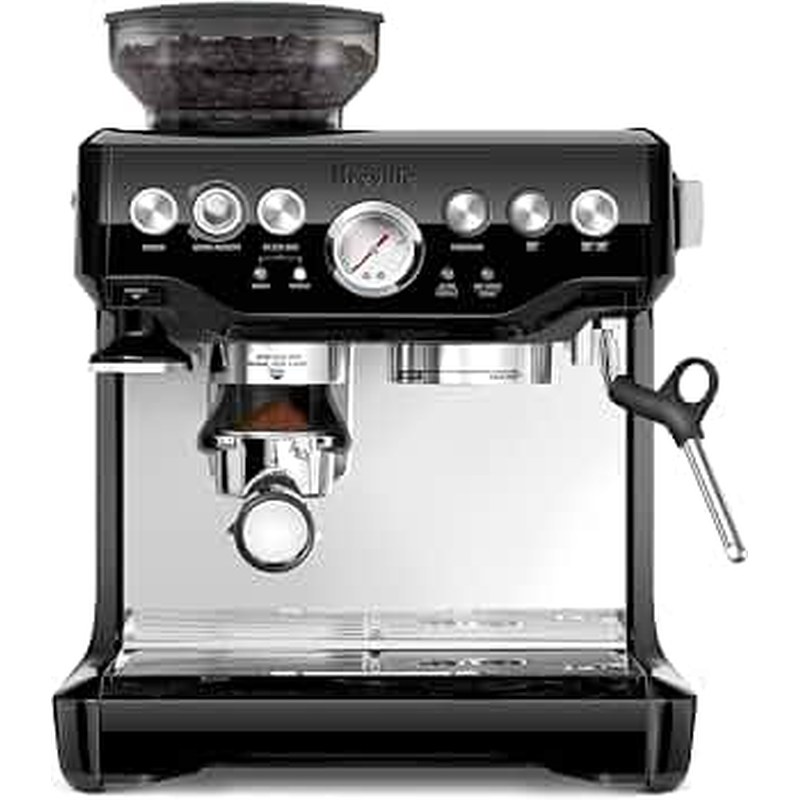
- Price range
- $749.95
★ 4.4/5 from 27,829 verified Amazon reviews. The Barista Express is the most popular serious espresso machine in America – and for good reason. It combines a conical burr grinder and a dual-boiler-free thermocoil system in one compact unit, so you go from beans to espresso without separate equipment. Owners praise the consistency and the learning curve that actually teaches you espresso. The 54mm portafilter and built-in grinder are the compromises – enthusiasts upgrade both later.
- Pros
- Built-in conical burr grinder
- Consistent temperature control
- 27,000+ reviews at 4.4★
- Grind-to-espresso in one machine
- Cons
- 54mm portafilter (not 58mm)
- Thermocoil, not brass boiler
- Grinder is decent, not great
Gaggia Classic Evo Pro
Best for Enthusiasts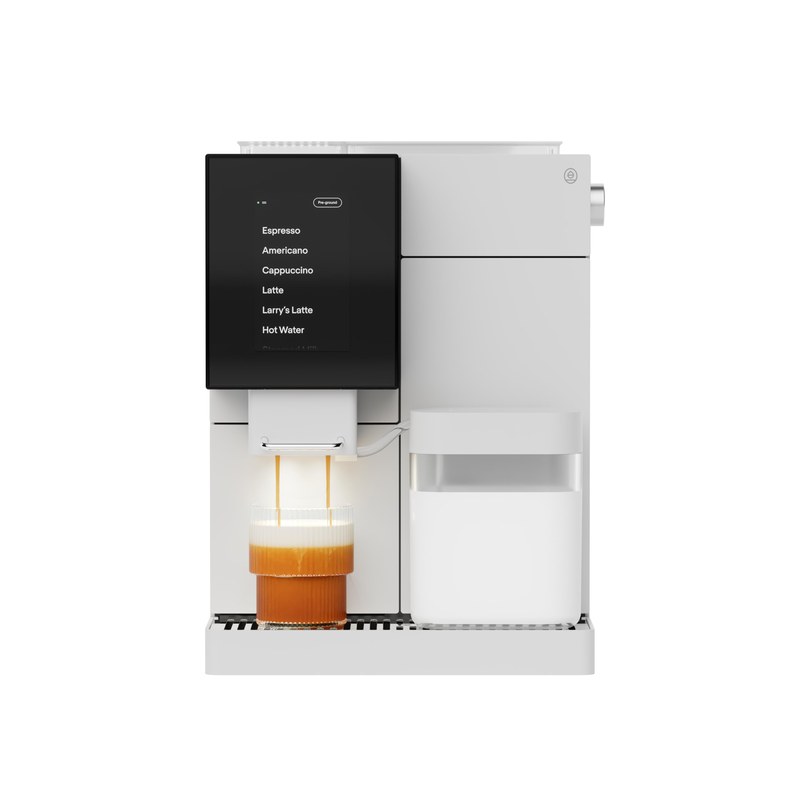
- Price range
- $529.99
★ 4.4/5 from 3,166 verified Amazon reviews. The Gaggia Classic has been the enthusiast's gateway machine for decades. It uses a real brass boiler and a commercial 58mm portafilter – the same size as pro machines – and it's famously mod-friendly (PID controllers, pressure adjustments). It's built in Italy and designed to last 15+ years with basic care. The catch: you need a separate grinder, and the steam wand has a learning curve. For tinkerers, nothing else under $600 comes close.
- Pros
- Commercial 58mm portafilter
- Brass boiler, mod-friendly
- 3,000+ reviews at 4.4★
- Built to last 15+ years
- Cons
- No built-in grinder
- Small water tank
- Steam wand takes practice
Rancilio Silvia Espresso Machine
Best Build Quality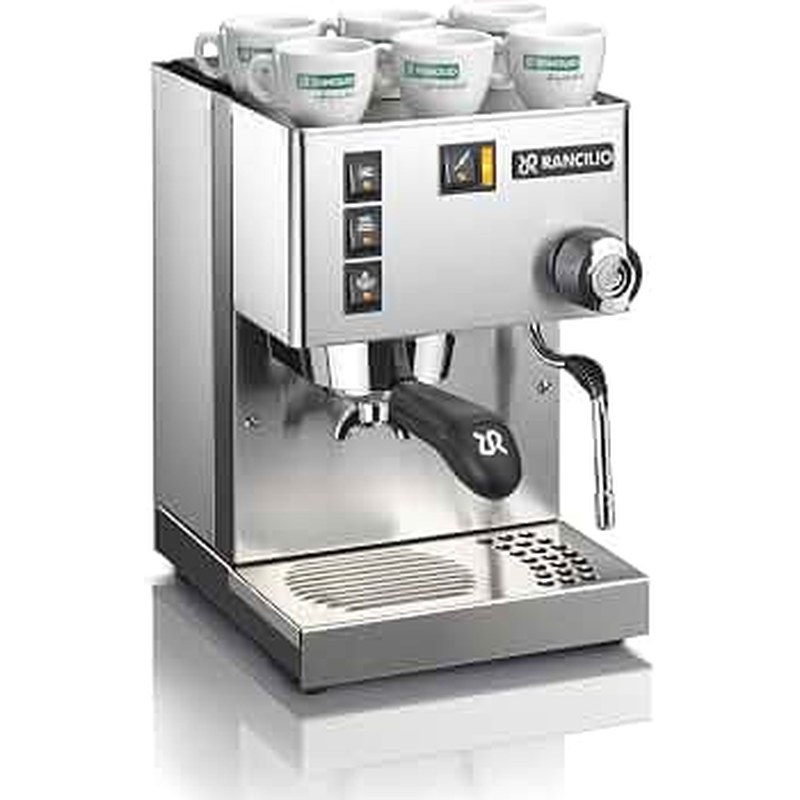
- Price range
- $735.00
★ 4.5/5 from 2,100 verified Amazon reviews. The Rancilio Silvia is the machine that taught a generation of home baristas espresso. It's built around a commercial-grade brass boiler and 58mm portafilter, wrapped in a heavy iron frame that will outlive your counter. It's the standard reference point for home espresso – and the most common starting point for serious home setups. The single boiler means you wait between brewing and steaming, but the shot quality justifies it.
- Pros
- Commercial-grade brass boiler
- 58mm portafilter
- Iron frame, built like a tank
- Industry-standard upgrade path
- Cons
- Single boiler (switch between brew/steam)
- No grinder
- Needs warm-up time
De'Longhi Specialista Espresso Machine
Best Semi-Auto Convenience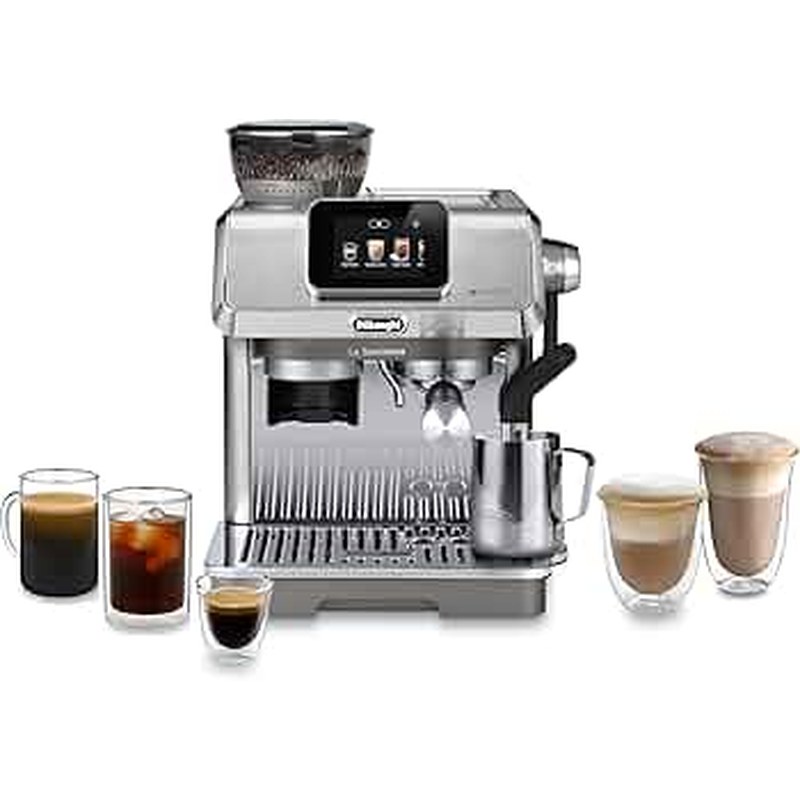
- Price range
- $799.95
★ 4.3/5 from 220 verified Amazon reviews. De'Longhi's Specialista targets the same buyer as the Barista Express but with a more automated approach: a built-in grinder with dose control, active temperature control (three infusion settings), and a steam wand with pre-set milk texture options. It's the easiest path to consistent espresso without manual technique. Newer to the market, so the review base is thinner – but early owners rate it well for convenience.
- Pros
- Built-in grinder with dose control
- Active temperature control
- Steam wand with milk texture options
- Sleek, counter-friendly design
- Cons
- Newer model, fewer reviews
- Plastic components in places
- 54mm portafilter
Ninja Luxe Café Premier ES601
Best 3-in-1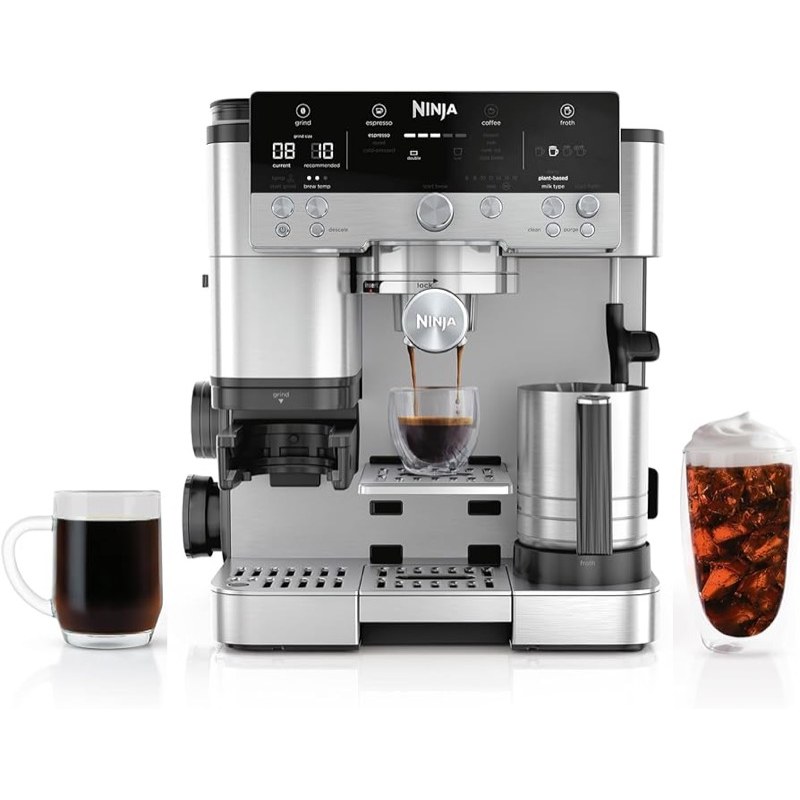
- Price range
- $499.99
★ 4.2/5 from 2,476 verified Amazon reviews. The Ninja Luxe Café Premier is the versatile newcomer: it makes espresso, drip coffee and cold brew in one machine, with a built-in grinder, assisted tamper and hands-free milk frother. For households that want one machine for everything, it's the best value in this guide. Espresso purists will note the smaller portafilter and multi-purpose compromises – but for most families, this is the most practical $500 you can spend.
- Pros
- Espresso, drip coffee AND cold brew in one
- Built-in grinder + assisted tamper
- Hands-free milk frother
- Best value in this class
- Cons
- Jack of all trades, master of none
- No 58mm portafilter
- Cold brew is a bonus, not a specialty
Breville Infuser BES840XL
Best with Separate Grinder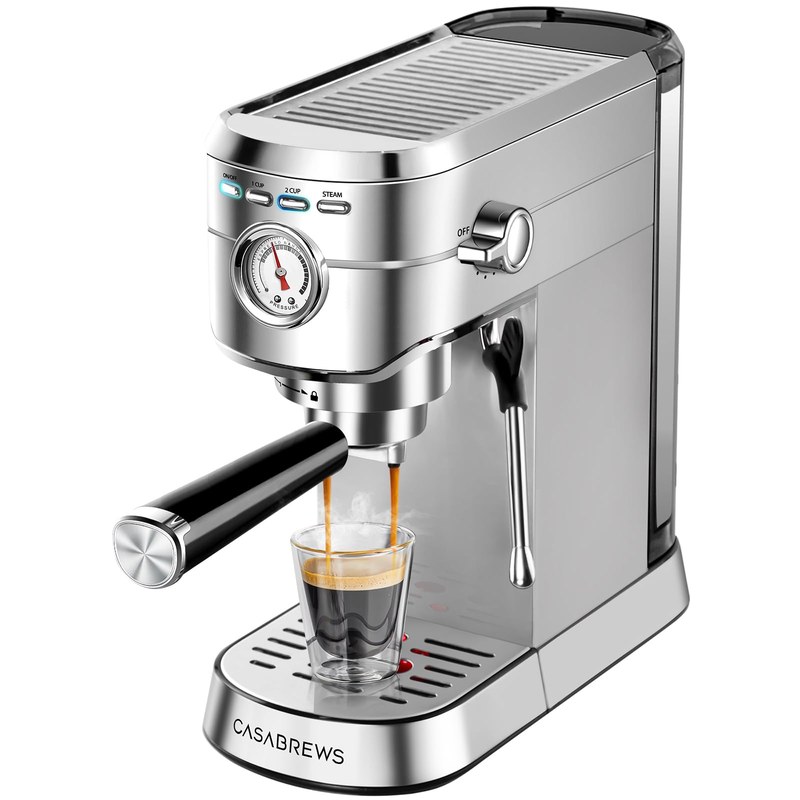
- Price range
- $549.95
★ 4.3/5 from 3,094 verified Amazon reviews. The Infuser is Breville's machine for people who already own (or plan to buy) a proper grinder. It delivers low-pressure pre-infusion and more powerful steam than the Barista Express, at a lower price – because you're not paying for a built-in grinder. Pair it with a quality burr grinder and you get better espresso than the all-in-one for the same total investment.
- Pros
- Better steam than Barista Express
- Low-pressure pre-infusion
- 3,000+ reviews at 4.3★
- Perfect pairing with a good grinder
- Cons
- No grinder included
- 54mm portafilter
- Less beginner-friendly
How to Choose an Espresso Machine Under $1000
Boiler or thermocoil?
Brass boilers (Gaggia, Rancilio) mean stable temperature and strong steam, with longer warm-up. Thermocoils (Breville) warm up fast and are lighter. If you drink milk drinks daily, prioritize steam power.
Portafilter size matters
58mm is the commercial standard (Gaggia, Rancilio) – better accessories, easier upgrades. 54mm (Breville, De'Longhi) is fine but limits your aftermarket options.
Grinder: built-in or separate?
A separate grinder always wins on grind quality. If you want one compact machine, the built-in grinders on the Barista Express and Specialista are serviceable – but plan to upgrade the grinder before the machine.
Budget for accessories
A quality tamper, a scale, fresh beans and a knock box add $100–200. Factor that into your total budget – a $700 machine with a $30 tamper underperforms a $500 machine with good accessories.
Buy the machine, not the marketing
Bar pressure numbers (15/20 bar) are marketing – real espresso needs 9 bar. Ignore the pressure claims and look at boiler, portafilter and build quality instead.
FAQ
Is an espresso machine under $1000 worth it?
Yes – this is the price range where home espresso gets genuinely good. Machines here use brass boilers or reliable thermocoils, proper portafilters and capable steam wands. The difference between a $300 and a $700 machine is dramatic; the difference between $700 and $1,500 is much smaller for most home users.
Do I need a separate grinder?
Ideally yes. A dedicated burr grinder is the single biggest upgrade you can make to your espresso. Machines with built-in grinders (Barista Express, Specialista) are convenient but their grinders are decent, not great. If you're serious, buy a machine without a grinder (Gaggia, Rancilio, Infuser) and a quality grinder separately.
What's the difference between a thermocoil and a brass boiler?
A brass boiler holds more thermal mass, giving more stable brew temperature and better steam – at the cost of longer warm-up. A thermocoil heats water on demand: faster warm-up, lighter, but less temperature stability. For milk drinks, boilers steam better; for pure espresso, both can produce excellent shots.
Should I buy a super-automatic instead?
Super-automatics (one-touch espresso, built-in milk) are more convenient but more expensive to repair and generally produce less nuanced espresso. If you enjoy the ritual and want the best taste per dollar, a semi-automatic under $1000 wins. If you just want a good cappuccino with zero effort, consider a super-automatic – but budget $1,000+ for quality.
How long should an espresso machine last?
A well-built machine with a brass boiler (Gaggia, Rancilio) should last 10–15+ years with basic maintenance: regular backflushing, descaling, and replacing gaskets every few years. Thermocoil machines are also durable but their electronics are harder to service. Skip machines with plastic internals if you want longevity.
Bottom Line
Under $1000, you can't go wrong with the classics. The Breville Barista Express is the best all-round package for most households – beans to espresso in one machine. Enthusiasts who want longevity and moddability should pick the Gaggia Classic Evo Pro or Rancilio Silvia and pair them with a quality grinder. And if you want one machine for espresso, drip and cold brew, the Ninja Luxe Café Premier is the smartest value. Whatever you choose: budget for a good grinder and fresh beans – they matter more than the machine.
